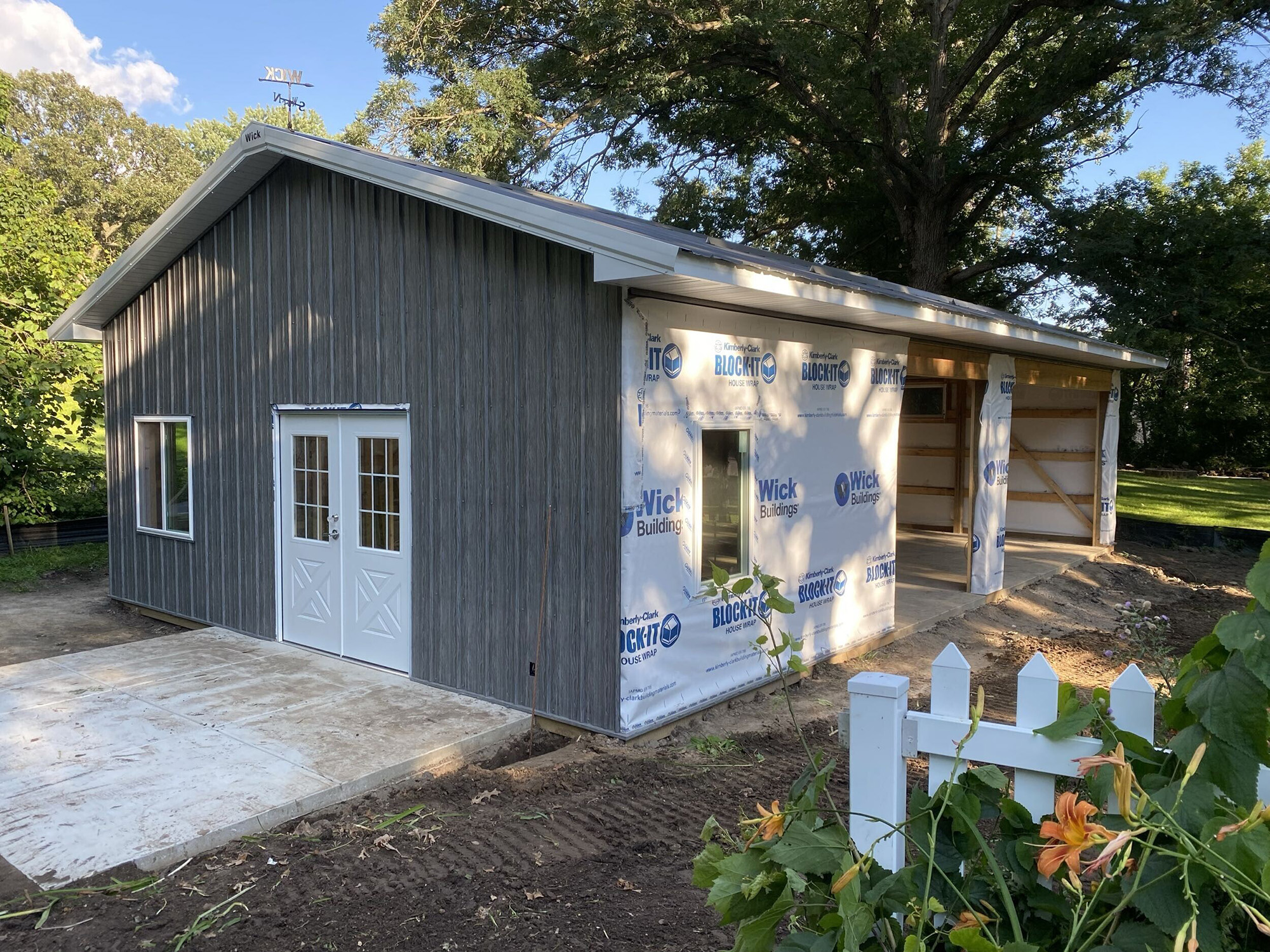
 If you are planning to build a pole barn in Minnesota, one of the first questions you should ask is not about materials or design. It is about permits and zoning. Understanding Minnesota pole barn permits and zoning requirements can prevent delays, fines, and costly redesigns.
Whether you are building a garage, workshop, agricultural structure, or commercial post-frame building, this guide explains what to expect before construction begins.
Do You Need a Permit for a Pole Barn in Minnesota?
In most cases, yes. The majority of Minnesota counties and municipalities require a building permit for pole buildings over a certain size. Even agricultural buildings, which may qualify for exemptions in some areas, often still require zoning approval.
Permit requirements typically depend on:
- Building size and square footage
- Intended use of the structure
- Property zoning classification
- Location within city limits or township jurisdiction
- Proximity to wetlands, septic systems, or easements
Never assume a small building is exempt. Requirements vary widely by county and township.
Zoning Comes Before Permits
Before applying for a building permit, your property must meet local zoning regulations. Zoning determines:
- Whether accessory structures are allowed
- Maximum building height
- Setback requirements from property lines
- Lot coverage limits
- Placement relative to septic systems and wells
For example, setback rules often require a pole barn to be a specific distance from property lines, roads, or neighboring structures. If your proposed location does not meet those requirements, you may need to apply for a variance.
Confirming zoning compliance early prevents redesign later.
Common Permit Requirements in Minnesota
While each municipality has its own process, most Minnesota pole barn permits require:
- A completed building permit application
• Site plan showing property lines and building placement
• Engineered building plans or structural drawings
• Snow load and wind load specifications
• Truss engineering documentation
• Estimated construction value
Minnesota’s heavy snow loads make structural engineering especially important. Post-frame buildings must meet state building code standards to ensure safety and durability.
Minnesota Snow Load and Building Code Considerations
Minnesota has some of the highest snow load requirements in the Midwest. Depending on your county, snow load ratings can vary significantly.
Proper design must account for:
- Ground snow load requirements
- Roof pitch and load distribution
- Truss spacing and engineering
- Frost depth for footings and slabs
Failure to meet local code can result in permit rejection or required modifications.
Working with a builder experienced in Minnesota post-frame construction helps ensure plans are engineered correctly the first time.
Agricultural vs Residential Pole Buildings
Some property owners assume agricultural pole barns are automatically exempt from permits. In certain rural counties, agricultural structures may qualify for partial exemptions. However:
- Zoning approval is often still required
- Electrical permits are typically mandatory
- Plumbing permits apply if utilities are added
- Residential or commercial use eliminates most exemptions
If your building will include heating, plumbing, or finished interior space, expect full permit review.
Always confirm with your local building department before proceeding.
How Long Does the Permit Process Take?
Permit timelines vary by municipality. In many Minnesota counties, review can take anywhere from one to four weeks, depending on:
- Project complexity
- Engineering completeness
- Seasonal workload of the building department
- Whether corrections are required
Submitting complete, professionally prepared documentation reduces delays.
Septic, Drainage, and Environmental Considerations
In rural Minnesota, pole barn placement may be affected by:
- Septic system drain fields
- Shoreland regulations
- Wetland buffers
- Floodplain restrictions
Properties near lakes or rivers often face additional review requirements. Proper site planning ensures compliance with environmental rules and avoids unexpected setbacks.
Why Working with an Experienced Builder Matters
Navigating Minnesota pole barn permits can feel overwhelming, especially if you are unfamiliar with township or county processes. An experienced local builder can help by:
- Preparing accurate engineered plans
- Ensuring snow load compliance
- Creating a proper site plan
- Coordinating with inspectors
- Anticipating common approval issues
This not only speeds up approval but also reduces stress during the planning phase.
Start with Research, Build with Confidence
Before purchasing materials or scheduling construction, contact your local building department to confirm zoning and permit requirements. Requirements differ between cities, townships, and counties across Minnesota.
A well-planned permit strategy protects your investment and ensures your pole barn is built legally, safely, and to code.
If you are considering a new pole building in Minnesota, partnering with a knowledgeable post-frame contractor simplifies the process. From engineered plans to permit coordination, having professional guidance allows you to move forward confidently and avoid costly surprises.
Building the right way from the start ensures your pole barn serves you well for decades to come.